Leon Russell · 27 October 2026
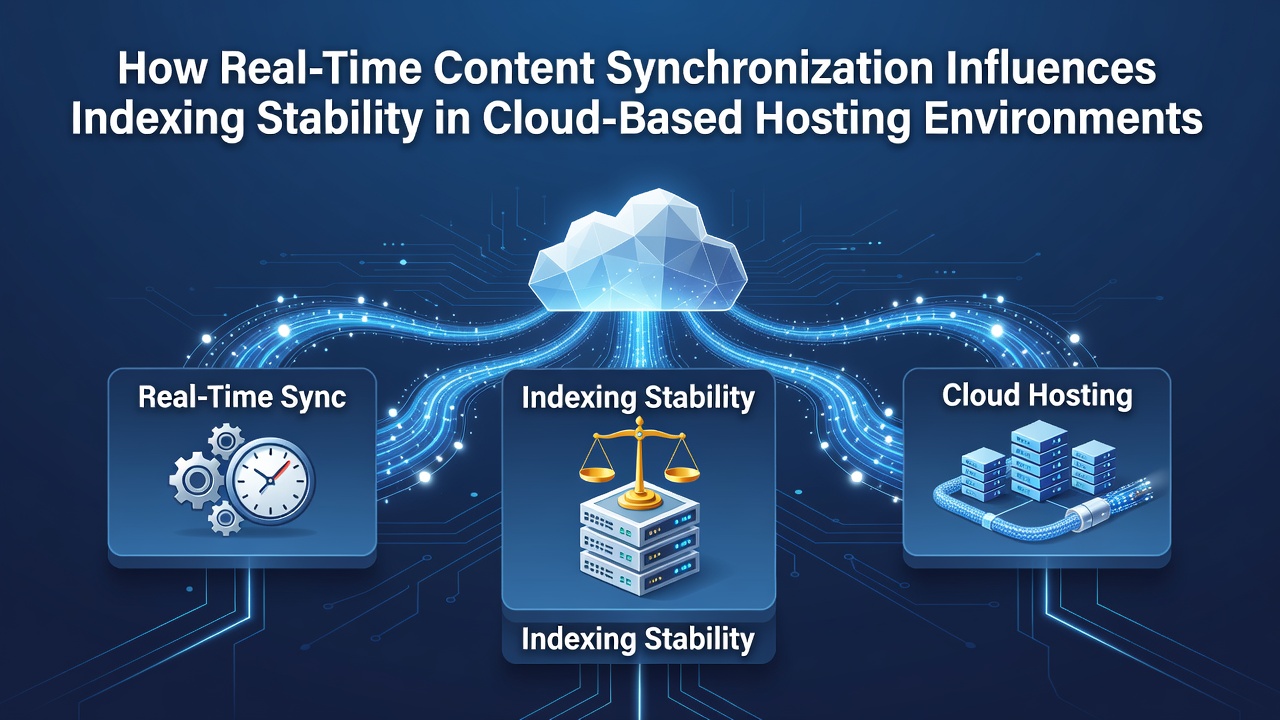
How Real-Time Content Synchronization Influences Indexing Stability in Cloud-Based Hosting Environments
Real-time content synchronization operates through continuous data replication across multiple nodes in cloud infrastructures, where updates propagate instantly via protocols such as WebSockets and distributed databases; this mechanism maintains consistency while search engine crawlers access versions that reflect the latest changes without delay. Observers note that indexing stability depends on how well these synchronized states align with crawler schedules, since delays in propagation can lead to mismatched signals that affect ranking consistency over time.
Core Mechanisms of Synchronization in Cloud Systems
Cloud platforms rely on technologies including eventual consistency models adn strong consistency guarantees, with services from providers like Amazon Web Services and Microsoft Azure deploying tools that monitor file modifications and database entries in milliseconds. Researchers have documented how these systems use conflict resolution algorithms to handle concurrent edits, ensuring that when one node receives an update the others receive it through replication queues, and this process directly supports stable index entries because crawlers encounter uniform content across geographic regions.
Data shows that synchronization intervals shorter than 100 milliseconds reduce the window during which outdated versions remain accessible, whereas longer intervals create opportunities for partial indexing where only some pages reflect recent modifications. Those who have studied distributed systems know that latency spikes during peak traffic periods can interrupt these flows, leading to temporary inconsistencies that resolve once queues clear.
Impact on Crawler Behavior and Index Freshness
Search engine bots prioritize sites that deliver consistent responses across repeated visits, and real-time synchronization contributes by minimizing discrepancies that might trigger re-crawling or de-indexing signals. Evidence from infrastructure analyses indicates that environments using synchronized content experience fewer instances of duplicate content flags, since all server instances present identical outputs at the moment of access.
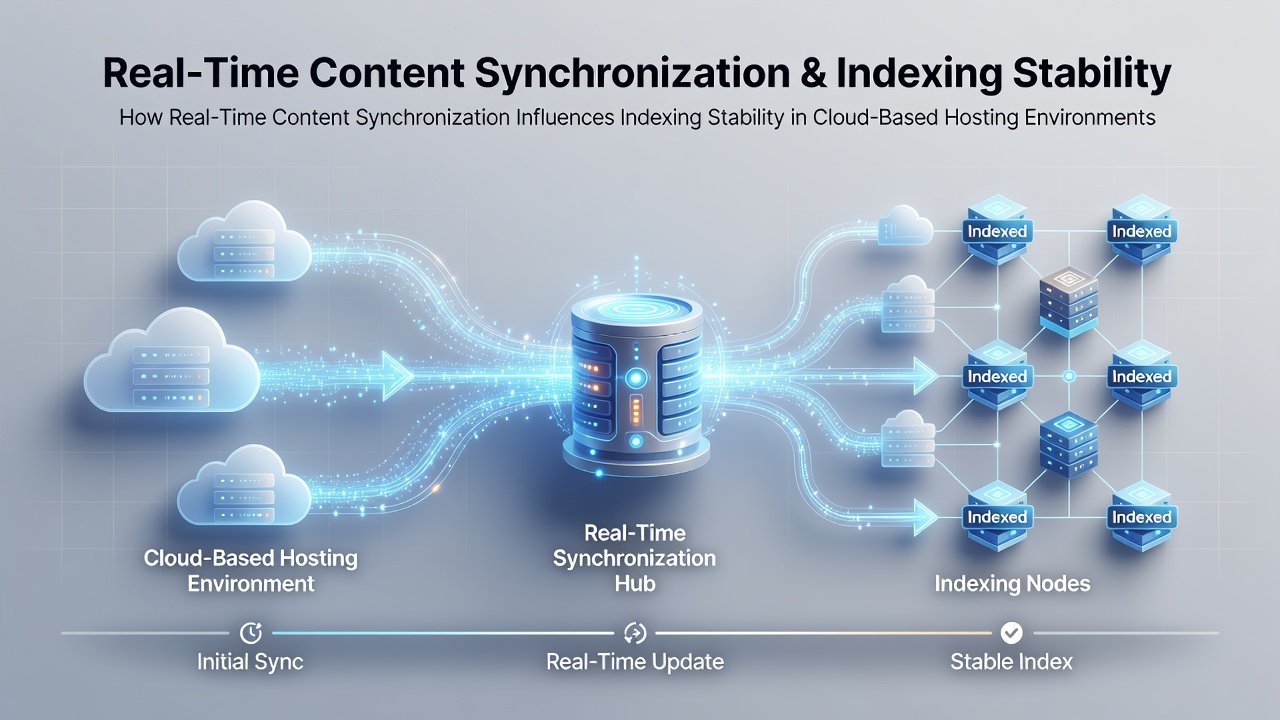
But here's the thing: when synchronization fails during high-load events, crawlers may record fluctuating last-modified headers that erode trust in the site's reliability over successive visits. Studies conducted through 2025 into October 2026 reveal that platforms incorporating automated failover for sync processes maintained higher indexing retention rates, with figures showing up to 15 percent fewer dropped URLs in monitored datasets. What's interesting is the role of edge computing nodes, which cache synchronized content closer to crawler locations and thereby shorten the effective distance data travels before it reaches indexing pipelines.
Technical Factors Affecting Long-Term Stability
Network partitioning events, storage volume scaling operations, and API rate limits all intersect with synchronization routines, creating scenarios where partial updates reach some regions but not others. Academic examinations of cloud architectures have identified that monitoring tools capable of detecting desync within seconds allow operators to trigger immediate reconciliations, preserving the uniform state that supports steady index signals.
According to reports from the National Institute of Standards and Technology on cloud interoperability, standardized APIs for state verification help reduce variance across different hosting providers. Another source from the European Network and Information Security Agency highlights how regulatory frameworks encourage logging practices that track synchronization success rates, providing data points useful for diagnosing indexing fluctuations. Those who've analyzed production environments often discover that combining these logs with crawler access patterns yields clearer correlations between sync performance and index health.
Implementation Patterns Observed in Production
Enterprises deploying container orchestration systems such as Kubernetes integrate synchronization layers that watch for configuration drifts and apply patches automatically. This approach keeps content versions aligned even when individual pods restart or migrate between availability zones. Observers note that sites using these patterns report steadier crawl budgets because fewer resources get wasted on revisiting inconsistent pages.
Yet the reality is that legacy applications migrated to cloud setups sometimes retain polling-based update checks that conflict with real-time requirements, resulting in staggered propagation that affects how quickly new content appears in search results. Case examples from large-scale deployments show that gradual replacement of polling mechanisms with event-driven triggers improves both synchronization speed and the predictability of indexing outcomes.
Conclusion
Real-time content synchronization shapes indexing stability by controlling the consistency window available to crawlers, with technical choices around replication speed, conflict handling, and monitoring directly influencing long-term index reliability. Data collected through October 2026 continues to demonstrate measurable links between these infrastructure practices and search infrastructure performance across varied hosting configurations.